

- September 16, 2026
- By
- Blog
A circuit that trips once may be inconvenient. A circuit that keeps tripping, smells hot or leaves part of your home without power can be a warning that should not wait. Knowing when to call electrician urgently helps you protect people, property and the electrical installation before a small fault becomes a serious one.
The safest rule is simple: if you see signs of overheating, damage, water near electrics, repeated loss of power or anything that makes you feel unsafe, stop using the affected equipment and get professional advice. Do not take covers off sockets, switches or your consumer unit to investigate.
Call an electrician urgently for burning smells or heat
A burning smell from a socket, switch, light fitting, plug or consumer unit needs prompt attention, even if it disappears after a few minutes. Electrical components should not smell of burning plastic, hot rubber or scorching. Heat may be caused by a loose connection, overloaded circuit, damaged cable or failing accessory, and it can worsen while hidden behind a wall or inside a consumer unit.
If it is safe to do so, switch off the affected circuit at the consumer unit. If you cannot identify the circuit without risk, switch off the main power only if you can do so without touching damaged equipment or standing in water. Keep everyone away from the area and do not use the socket or fitting again.
Sparks, crackling, buzzing and scorch marks also need urgent investigation. A tiny static spark when plugging in an appliance can happen, but visible sparking from fixed wiring, a socket or a switch is not something to ignore.
If there is smoke, flames or an immediate risk to life, leave the property and call 999. Do not attempt to put out an electrical fire with water.
A consumer unit that keeps tripping is telling you something
Modern consumer units are designed to switch off a circuit when they detect a problem. It is tempting to reset the breaker and carry on, especially when it restores the Wi-Fi, fridge or heating. One trip caused by a clearly faulty appliance may be straightforward. Repeated tripping is different.
Call an electrician urgently when a breaker or RCD will not reset, trips again straight away, or trips whenever you use a particular socket, light, shower or appliance. The fault could be with the appliance, but it could also be a damaged cable, moisture in an outdoor fitting, a faulty socket or a problem on the circuit itself.
Avoid repeatedly forcing the switch back on. Each trip is a safety device responding to an abnormal condition. Unplugging portable appliances from the affected circuit can sometimes help identify whether an appliance is involved, but do not dismantle anything or continue testing if there is heat, smell, noise or visible damage.
Older fuse boards need the same caution. Never replace a fuse with one of a higher rating or improvise with foil, wire or any other material. That removes protection from the circuit and creates a real fire risk.
When to call an electrician urgently after water damage
Water and electricity are a dangerous combination. A leaking roof, burst pipe, overflowing bath or flood can affect cables, sockets, lighting circuits and the consumer unit, often beyond the area you can see.
If water has reached electrical fittings, do not touch them. Keep clear of wet floors around sockets, switches, extension leads or appliances. Where it is safe and dry to reach the consumer unit, turn off the electricity supply. Then arrange an urgent inspection before power is restored to the affected area.
Outdoor equipment deserves particular care after heavy rain. Water entering garden lights, external sockets, garages, sheds or security equipment can cause an RCD to trip. It may seem harmless once things dry out, but the source of water ingress still needs finding and repairing. Outdoor circuits should be suitable for their location and protected correctly, rather than relying on a temporary workaround.
Damage, exposed wiring and electric shocks cannot wait
A cracked faceplate is not always an emergency, but a broken socket with loose parts, exposed copper, damaged cable insulation or a fitting pulling away from the wall is. Keep children, pets and anyone else away, switch off the circuit if it is safe, and arrange a repair as soon as possible.
You should also act quickly if anyone receives an electric shock or tingling sensation from a tap, appliance, shower, socket or switch. Even a mild shock can indicate an earth fault, damaged appliance or wiring issue. Stop using the item immediately and seek medical advice where appropriate, particularly after a stronger shock, a burn, chest pain or loss of consciousness.
Do not assume the problem is resolved because it does not happen a second time. Intermittent faults are common, and a competent electrician can test the installation safely to find the cause.
Loss of power: is it your property or the wider network?
A full power cut does not always require an electrician. First, look outside. If neighbouring homes and street lights are also out, the issue may be on the local electricity network. You can report a power cut or damaged overhead line by calling 105 in Great Britain.
If your neighbours have electricity but your property does not, check the consumer unit only if it is safe to do so. A tripped main switch, RCD or individual breaker may indicate a fault within your installation. If it will not stay on, or the consumer unit is hot, damaged, wet or making unusual noises, turn it off and call an emergency electrician.
For landlords, a loss of power at a rental property requires a quick, proportionate response. Tenants should know how to report a fault and where the consumer unit is, but they should never be expected to carry out electrical repairs. An urgent visit can protect the tenant, preserve evidence of the fault and help maintain the property’s electrical safety obligations.
Problems that are urgent, but not necessarily a 999 emergency
Some faults are best dealt with the same day, even where there is no immediate fire or shock risk. These include a failed electric shower, lights that flicker across several rooms, a cooker circuit that has stopped working, loss of power to a boiler, and a security alarm or external lighting fault that leaves a property vulnerable.
The right response depends on what has failed and who is affected. A single failed bedside lamp can usually wait. A failed freezer circuit in a business, no lighting on a staircase, or a consumer unit fault in an occupied rental property may need a much faster call-out.
Explain exactly what you have noticed when you call: which rooms are affected, whether anything tripped, when the issue started, whether there was water nearby and whether you can see or smell damage. This helps the electrician arrive prepared and reduces time spent narrowing down the fault.
What to do while you wait for an emergency electrician
Your priority is to make the area safe, not to diagnose or repair the fault. Keep people away from affected sockets, cables and fittings. Unplug appliances only when the plug, cable and surrounding area are cool, dry and undamaged. Do not run extension leads across wet areas or from another circuit as a substitute for a failed supply.
Take a photo of the consumer unit switch positions or visible damage if you can do so from a safe distance. This can be useful, but never put yourself at risk to get it. Leave the affected circuit switched off and make access to the consumer unit clear for the electrician.
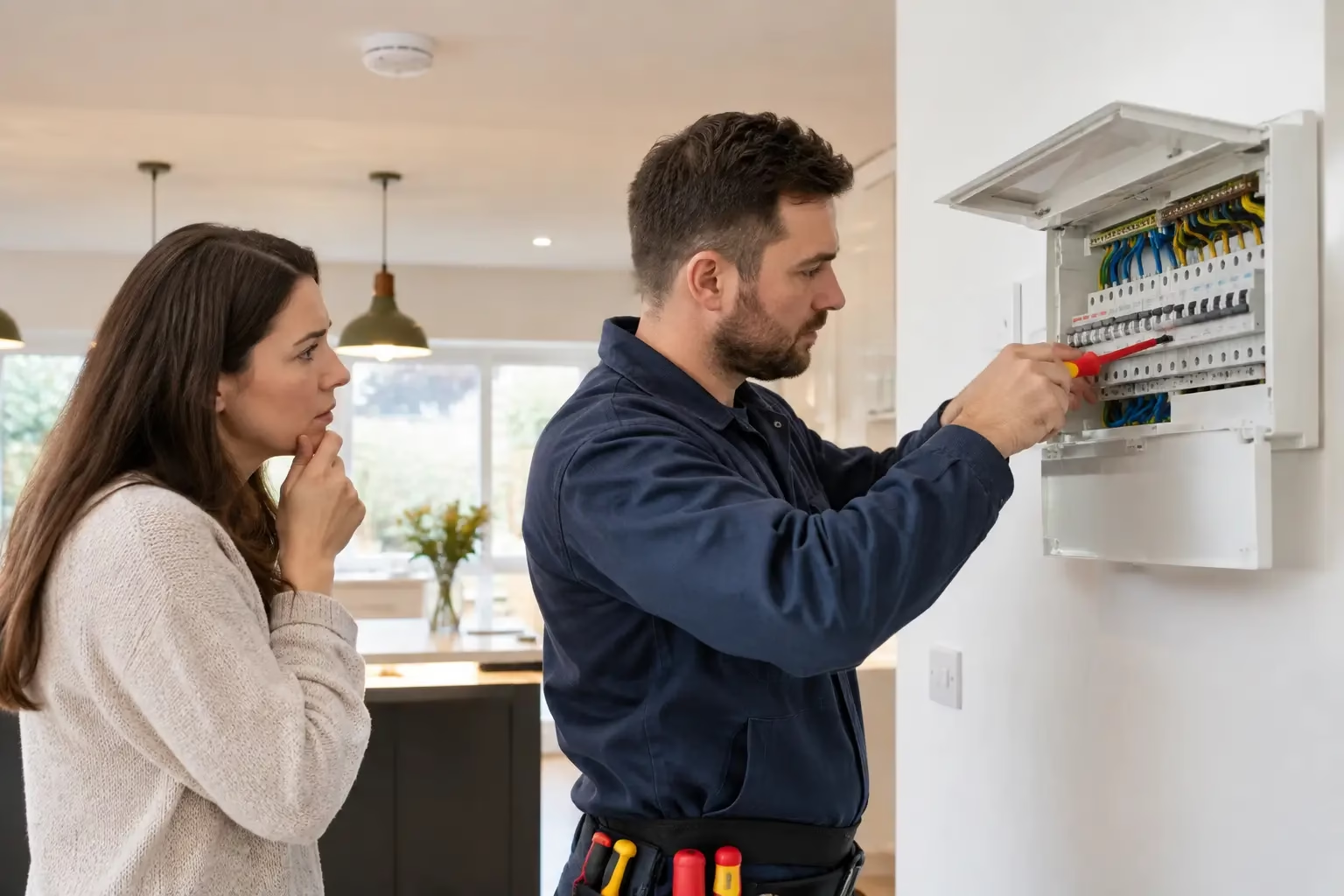
A qualified electrician will inspect, test and repair the fault in line with BS 7671 and current 18th Edition requirements. At Gerrard’s Electrical Solutions, emergency call-outs are approached with clear explanations, tidy work and transparent fixed call-out pricing, so you know what is happening before decisions are made.
Electrical faults rarely improve through repeated resets or hopeful waiting. If something is hot, damaged, wet, repeatedly tripping or giving you a shock, trust that warning sign, isolate it safely and arrange professional help.