

- November 3, 2026
- By
- Blog
A tenancy can look perfectly straightforward until a circuit starts tripping, an alarm fails to sound or a tenant spots damage that has been there since before they moved in. Landlord compliance checks are not just paperwork to deal with between tenancies. They are the practical checks that help keep people safe, protect your property and show that you have met your responsibilities if a problem arises.
For landlords, the most sensible approach is to treat compliance as an ongoing maintenance plan rather than a last-minute task. Some checks have fixed legal deadlines, while others are simply good property management. Both matter when you want a safe, well-maintained let and fewer avoidable call-outs.
The electrical checks landlords cannot overlook
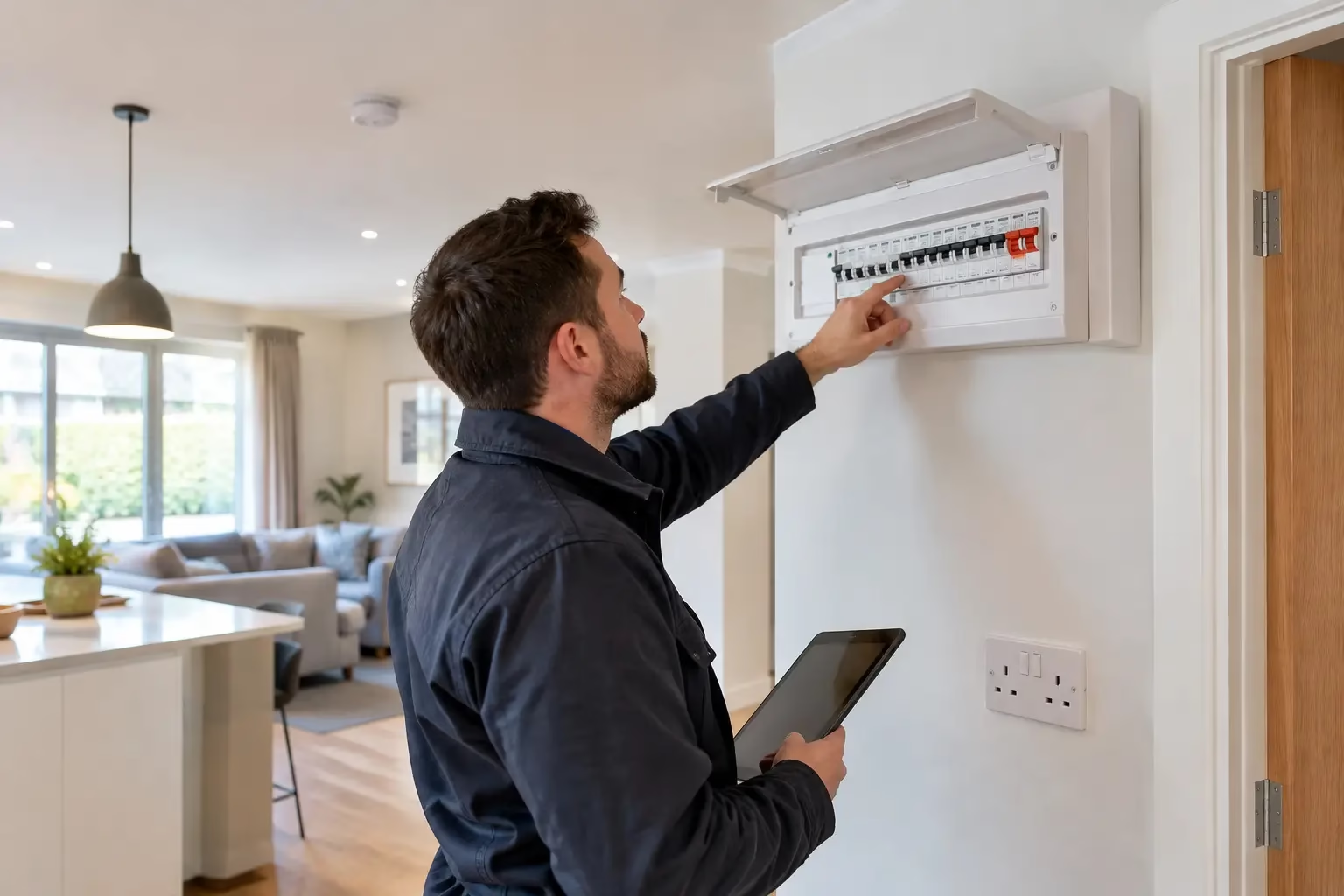
In England, landlords must have the fixed electrical installation in a rented property inspected and tested by a qualified person at least every five years. This is recorded in an Electrical Installation Condition Report, usually called an EICR.
The inspection looks beyond whether the lights currently work. An electrician checks the condition of wiring, sockets, switches, consumer units, earthing and protective devices. They will identify signs of wear, damage, overheating, poor previous work or equipment that no longer meets current safety expectations.
An EICR will confirm whether the installation is satisfactory or unsatisfactory. If it is unsatisfactory, the report will explain what needs attention and how urgently. Remedial work must be completed within 28 days, or sooner if the report states a shorter period. Once the work is complete, keep written confirmation that the issues have been put right.
You also need to provide a copy of the EICR to existing tenants within 28 days of the inspection, to new tenants before they move in, and to the local authority if requested. Keeping the report with your property records makes future renewals, repairs and tenant queries far easier to manage.
An EICR is not the same as a quick visual check
A visual check can reveal obvious problems such as cracked sockets, loose fittings or exposed cable. It cannot confirm that circuits are properly protected or that hidden wiring remains safe. An EICR involves testing and is the formal inspection required for the fixed electrical installation.
If your report is due, do not wait for a change of tenant or a fault to force the issue. Booking before the expiry date gives you time to deal with any remedial work without disrupting a move-in date.
Portable appliances need attention too
Landlords are responsible for electrical items they provide, such as washing machines, cookers, lamps and appliances in furnished accommodation. Portable appliance testing, often called PAT testing, is not a blanket legal requirement for every item. However, the appliances must be safe.
A competent inspection and sensible testing schedule are a practical way to demonstrate that you have taken reasonable steps. This is particularly worthwhile for older appliances, high-use items and shared accommodation. Keep purchase details, inspection records and repair notes, and remove damaged items from use promptly.
Landlord compliance checks beyond electrics
Electrical safety is a major part of your responsibilities, but it sits alongside several other checks. The exact requirements can vary with the property type, tenancy and local licensing rules, especially for houses in multiple occupation. A clear diary of renewal dates is one of the best tools a landlord can have.
For a typical rental property in England, your compliance routine should account for:
- gas safety, where gas appliances or flues are installed, including an annual check by a Gas Safe registered engineer;
- smoke alarms on every storey used as living accommodation, plus carbon monoxide alarms where required, tested on the first day of a new tenancy;
- a valid Energy Performance Certificate, with the property meeting the applicable minimum energy-efficiency standard unless a valid exemption applies;
- deposit protection and prescribed information where a tenancy deposit is taken;
- any applicable property licence, including additional or selective licensing requirements set by the local authority.
A condition inventory, dated photographs and a record of keys handed over are also valuable. They are not a substitute for safety checks, but they help establish the property’s condition at the start and end of a tenancy.
How to organise checks without chasing deadlines
The most reliable landlords do not rely on memory. Set up a simple compliance file for each property, either securely online or in a physical folder, and record every certificate, inspection, repair and tenant communication. Include expiry dates and set reminders well in advance.
It helps to separate urgent safety work from planned improvements. A burning smell, repeated tripping, electric shock, damaged consumer unit or exposed wiring needs prompt professional attention. Replacing old light fittings, adding sockets or upgrading extractor fans can usually be planned around tenant availability.
Tenants should know how to report faults and who to contact in an emergency. Encourage them to report issues early. A socket that feels hot or a breaker that keeps tripping is not an inconvenience to leave until the next inspection. Early action can prevent damage and reduce the chance of a more serious failure.
Plan access properly
You cannot carry out meaningful checks if contractors cannot gain access. Give tenants appropriate notice for planned appointments, explain why the visit is needed and offer practical time slots where possible. Clear communication is more likely to secure access and helps tenants feel that their home is being looked after, not merely inspected.
For urgent electrical danger, the response needs to be faster. Tenants should be told to stop using affected equipment, avoid touching damaged wiring and seek immediate help where there is smoke, burning or a risk of electric shock.
When an electrical upgrade becomes the sensible option
An EICR may identify defects that can be repaired individually. In other properties, repeated repairs can become poor value and leave the installation lagging behind modern needs. Older fuse boards, ageing wiring, a lack of RCD protection or circuits that regularly overload may point towards a consumer unit upgrade or partial rewire.
The right answer depends on the report, the age and condition of the installation, and the work planned for the property. A modern kitchen, electric shower, home office space or added security system can all increase demand on the electrical installation. It is better to assess capacity before the work starts than to keep adding to circuits that are already under strain.
Any electrical work should be completed by a competent electrician and designed around the property, not treated as a one-size-fits-all fix. Work carried out to BS 7671 and current 18th Edition requirements provides a sound standard for installation and testing, while clear certification gives you a useful record for your file.
Choosing the right support for your property
Compliance work is easier when the person carrying it out explains what they have found in plain English. You should know whether a defect needs immediate repair, whether it can be planned, what the likely cost is and what paperwork you will receive afterwards.
For landlords around Chester, Gerrard’s Electrical Solutions provides EICRs, remedial electrical work, fault finding and planned upgrades with clear advice and tidy, dependable service. Fixed call-out pricing and straightforward communication are particularly useful when an electrical issue affects a tenant’s day-to-day safety.
A well-kept compliance record will not stop every fault, but it gives you a clear starting point when one happens. Keep dates visible, act on safety concerns quickly and treat each inspection as an opportunity to make the property safer for the people living there.