- July 11, 2026
- By
- Blog
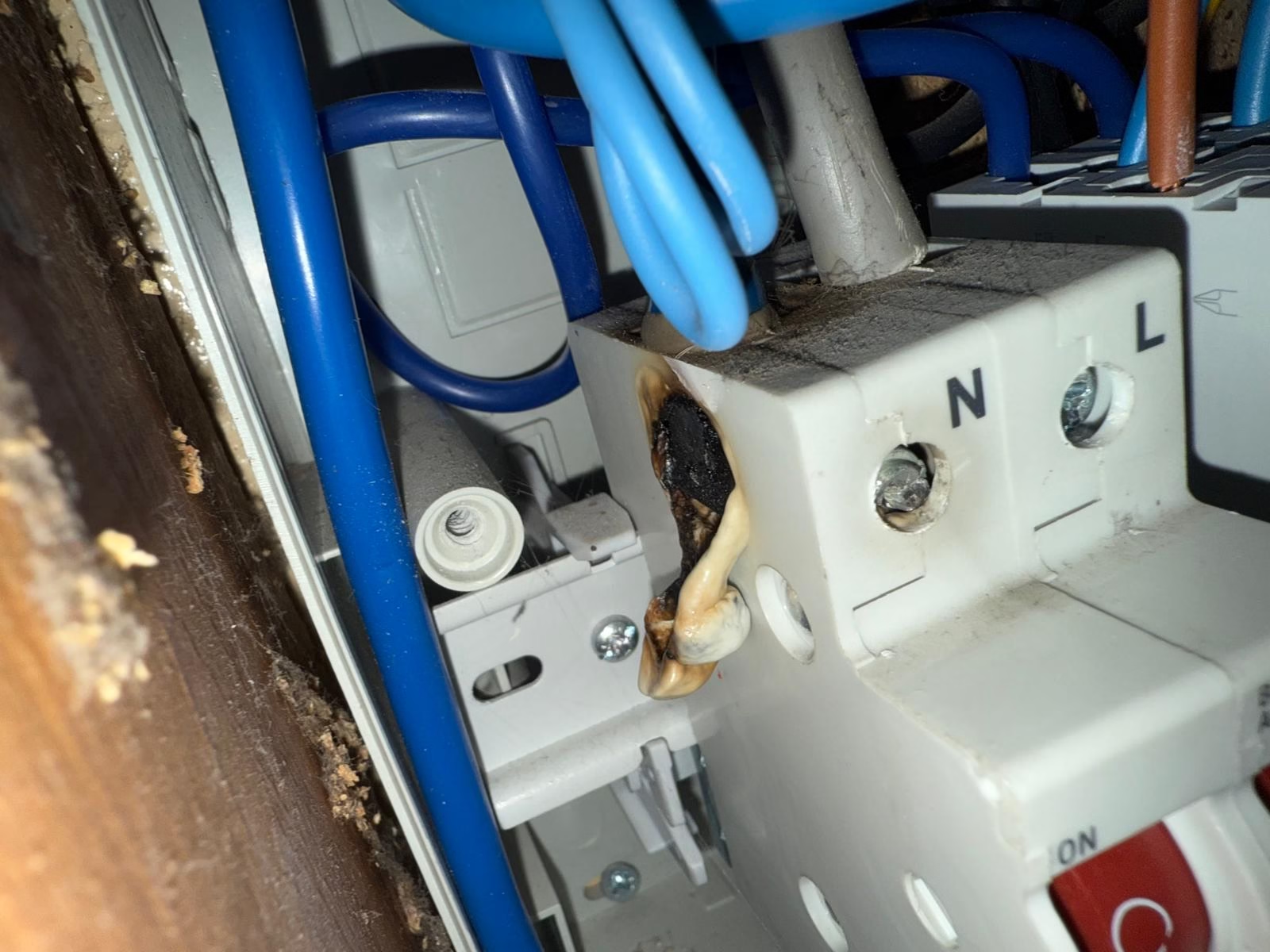
A burning smell near a socket, a consumer unit that will not stop tripping, or a sudden loss of power can turn an ordinary evening into a safety concern very quickly. When you need an emergency electrician Chester homeowners, landlords and businesses can rely on, the first priority is not getting everything working again at any cost. It is making the property safe, identifying the cause properly and carrying out a compliant repair.
Electrical faults are not always dramatic. A repeatedly tripping circuit, lights flickering after rain, a socket that feels unusually warm or a buzzing sound from the consumer unit can all point to an issue that needs prompt professional attention. Acting early can prevent damage to your installation, avoid disruption and, most importantly, reduce the risk of electric shock or fire.
When to call an emergency electrician in Chester
Not every electrical issue needs an out-of-hours call-out. A single blown bulb, for example, can usually wait. But some faults should never be ignored or repeatedly reset in the hope that they disappear.
Call for urgent electrical help if you notice a burning smell, smoke, sparks, scorch marks, exposed or damaged wiring, an electric shock from an appliance or fitting, or a consumer unit that continues to trip. Loss of power affecting essential lighting, heating equipment, refrigeration, security systems or business operations may also need immediate attention, particularly outside normal working hours.
Water and electricity are a particularly serious combination. If a leak has reached light fittings, sockets, wiring or the consumer unit, do not touch affected electrical equipment. If it is safe to do so, isolate the supply at the main switch without standing in water or approaching damaged areas. Then arrange for a competent electrician to assess the installation before it is used again.
For landlords, an urgent electrical fault needs a quick and considered response. Tenants should not be left with a potentially unsafe installation or encouraged to keep resetting protective devices. A prompt repair protects occupants and helps maintain a safe, properly managed property.
What to do before the electrician arrives
You do not need to diagnose the fault yourself. In fact, dismantling sockets, removing consumer unit covers or trying to bypass a tripping circuit can make a dangerous situation worse. A few sensible steps will help keep everyone safe while an electrician is on the way.
If there is smoke, fire or an immediate threat to life, call the emergency services first. Do not use water on an electrical fire. If there is no immediate fire but you can safely access the consumer unit, turn off the affected circuit or use the main switch to isolate the electricity. Only do this if the area is dry and you can reach it without touching damaged wiring or metalwork.
Keep children, pets and other occupants away from the affected area. Unplug appliances only when it is safe to do so, and avoid using an extension lead as a workaround for a damaged socket or failed circuit. If power has gone off, use a torch rather than candles, which create an additional fire risk.
It is useful to make a note of what happened just before the fault occurred. Perhaps the circuit tripped when the kettle was switched on, after an outdoor light came on, or following heavy rain. This information can give the electrician a useful starting point, but it is not a substitute for proper fault finding.
Do not keep resetting a tripping circuit
A circuit breaker or RCD trips because it has detected a problem such as an overload, a fault in an appliance, damaged cable, moisture ingress or a fault to earth. Resetting it once after unplugging suspect appliances may be reasonable if there are no signs of danger. If it trips again, leave it off.
Repeatedly forcing a protective device back on defeats the purpose of the safety system. The inconvenience of one circuit being off is far safer than energising a fault that has not been identified.
How emergency fault finding works
A reliable emergency repair begins with investigation, not guesswork. An electrician will ask what has happened, inspect the affected parts of the installation and test safely to narrow down the cause. The issue might be within a fixed circuit, a light fitting, an outdoor accessory, the consumer unit or a connected appliance.
Some faults have a straightforward remedy, such as replacing a damaged accessory or isolating a failed appliance. Others need more detailed testing, particularly where wiring is ageing, water has entered the installation or a fault only appears intermittently. In these situations, a temporary safe isolation may be the right first step, followed by a planned repair once the full scope is clear.
That approach can feel frustrating when you simply want the power back, but it is the responsible option. Restoring supply without resolving the underlying fault can leave you with the same problem later, or create a more serious one.
Gerrard’s Electrical Solutions provides responsive fault finding and repairs across Chester and the surrounding area, with clear explanations of what has been found, what needs doing and what the next step will cost. Work is completed to BS 7671 and current 18th Edition requirements, with the aim of getting your property safe and your electrical system operating properly again.
Common causes of emergency electrical faults
Electrical emergencies are often caused by a combination of age, wear and changing demands on an installation. Older properties may have circuits that were never designed for modern kitchen appliances, home working equipment, electric showers, outdoor power or additional lighting. Loose connections can overheat over time, while damaged cables may not become obvious until a circuit is used heavily.
Moisture is another common cause. Outdoor sockets, garden lighting, garage supplies and bathroom fittings need suitable protection from their environment. A fault may occur after rain, condensation or a plumbing leak, even if the installation appeared to work normally beforehand.
Appliances can also be responsible. A faulty washing machine, kettle, heater or fridge can trip an RCD, but it is important not to assume the appliance is at fault without testing. The circuit itself may have a problem, and the only safe answer is a methodical inspection.
Consumer units deserve particular attention. Older fuse boards may lack the level of protection expected in modern installations, while a damaged or overcrowded unit can make fault finding more difficult. An upgrade is not automatically required after every emergency, but it may be recommended where testing identifies outdated equipment, inadequate protection or signs of deterioration.
Choosing an emergency electrician without added uncertainty
During a power failure or suspected electrical fault, it is easy to choose the first available name. Speed matters, but so do competence, communication and a clear approach to costs. Look for an electrician who can explain what they will do, provide transparent fixed call-out pricing and tell you honestly if further work is required.
You should also expect respect for your property. Emergency work can be disruptive, particularly late at night or in a busy rental property, but the job should still be carried out carefully and tidily. A good electrician will explain any limitations, isolate unsafe circuits where necessary and avoid making promises that cannot be supported by testing.
For commercial premises, the balance can be more complex. Keeping trading areas, refrigeration, alarms or IT equipment running may be essential, but safety still comes first. An electrician can help identify whether a safe temporary arrangement is possible or whether part of the installation must remain isolated until repairs are completed.
Preventing the next electrical emergency
Many emergencies cannot be predicted, but a well-maintained installation is less likely to fail without warning. If circuits trip regularly, sockets are loose, lights flicker, or you have recently moved into an older property, arranging an inspection is sensible before the issue becomes urgent.
An Electrical Installation Condition Report can identify deterioration, damage and non-compliance within fixed wiring. For landlords, regular electrical safety checks form an essential part of meeting obligations to tenants. For homeowners, an EICR provides a clear picture of the condition of the installation, particularly before major alterations, a kitchen renovation or the addition of high-demand electrical equipment.
Planned improvements such as a consumer unit upgrade, additional sockets, modern lighting, outdoor power or a partial rewire can also reduce the temptation to overload older circuits. The right solution depends on the property, the condition of the wiring and how you use the space. Honest advice should always come before unnecessary work.
If something does not look, smell or sound right, trust that instinct. Isolate the supply if it is safe, keep clear of the fault and arrange professional help. A calm, competent response now is the best way to protect your home, tenants or business from a much bigger problem later.