

- September 14, 2026
- By
- Blog
A rental property wiring example is useful because it turns an unseen safety system into something a landlord can understand. Tenants rarely see the cables behind walls and under floors, but they rely on them every day for heating controls, cooking, lighting, charging devices and smoke alarms. If the installation is poorly planned, ageing or damaged, the result can range from nuisance tripping to a serious electric shock or fire risk.
The aim is not to turn landlords into electricians. Electrical work should be designed, tested and certified by a competent electrician. However, knowing what a sensible installation looks like helps you spot when a property needs attention and ask the right questions before a tenancy begins.
A typical rental property wiring example
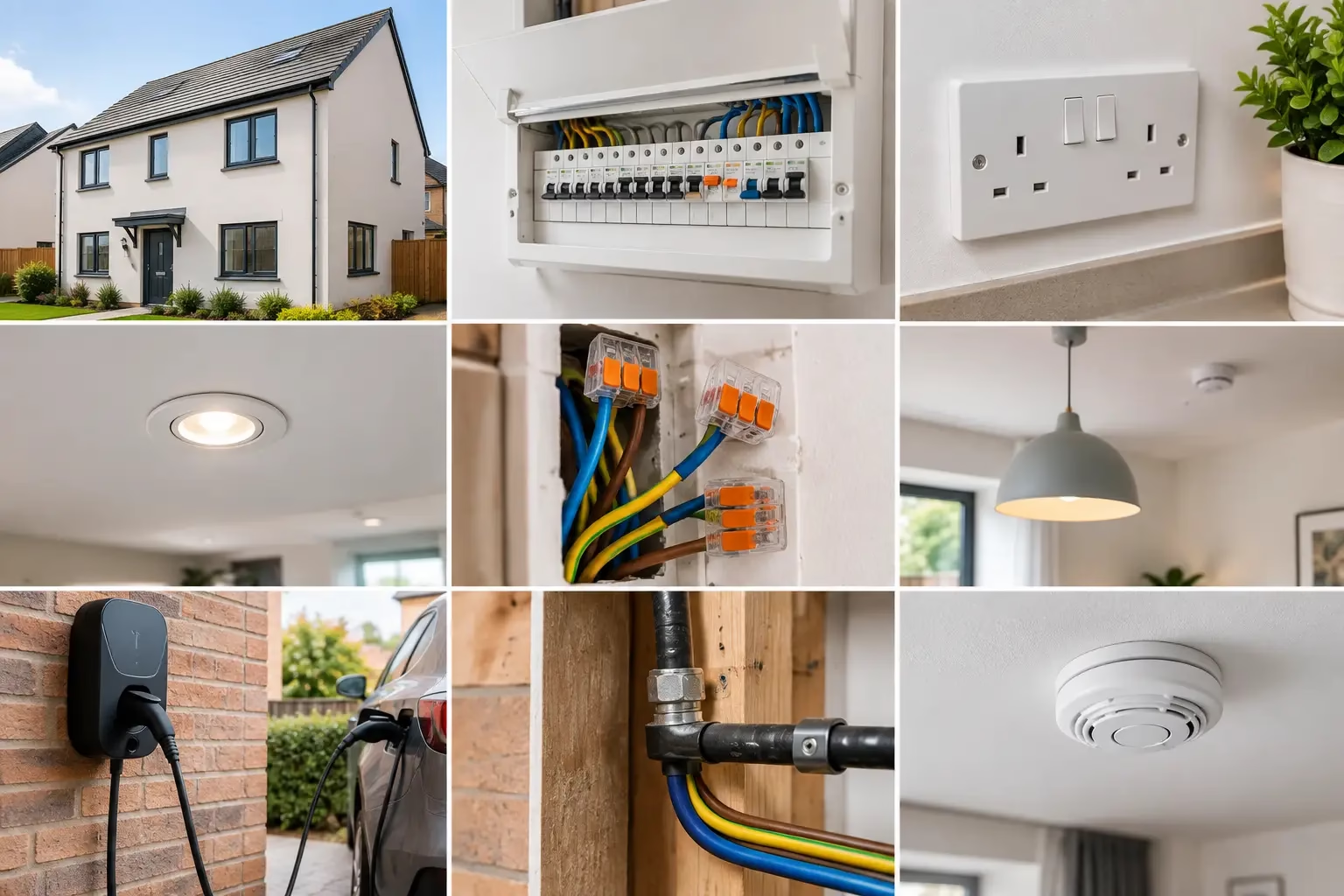
Take a typical two-bedroom terraced house with a living room, kitchen, bathroom and two bedrooms. The supply enters the property and feeds a modern consumer unit, normally located where it can be reached easily but is protected from accidental damage. The consumer unit contains the main switch, circuit protective devices and RCD protection, which quickly disconnects power if a fault could cause danger.
From there, separate circuits supply different parts of the home. Keeping these circuits separate means one issue is less likely to leave the whole property without power. A practical layout might include:
- a lighting circuit for downstairs rooms;
- a lighting circuit for upstairs rooms;
- socket circuits for general use;
- a dedicated cooker circuit where an electric cooker or hob is installed;
- dedicated supplies for items such as an electric shower, immersion heater or fixed heating where required; and
- suitable power supplies for smoke and heat alarms, where the alarm design calls for them.
This is an example, not a fixed template. The correct circuit arrangement depends on the size of the property, the electrical load, the condition of existing wiring and any fixed equipment. A compact flat may need fewer circuits, while a larger home with an electric shower, induction hob, outbuilding or EV charger will need more careful design.
What good wiring looks like in a rented home
A safe installation is about more than a new-looking fuse board. Cables must be correctly sized, properly supported and protected where they pass through walls, floors and other building materials. Connections need to be accessible where required, secure and enclosed. Sockets, switches and light fittings should be in sound condition, firmly fixed and appropriate for the room.
In the kitchen, this means enough sockets for everyday appliances without forcing tenants to depend on overloaded extension leads. In bathrooms, electrical equipment must be chosen and positioned for the relevant zones, with the correct protection in place. Outside, sockets and lighting need weather-resistant equipment and appropriate RCD protection.
The consumer unit deserves particular attention. Older fuse boards with rewireable fuses, no RCD protection or obvious damage may not provide the level of safety expected in a modern rental. That does not automatically mean every older board needs immediate replacement, but it does mean the installation should be properly inspected and assessed. An EICR will identify whether it is satisfactory for continued use and what work, if any, is needed.
The rental wiring example behind the walls
Most problems are not visible once decorating is complete. In a well-planned rental installation, cables follow recognised safe zones in walls so future drilling is less likely to strike them. They are not loosely buried in plaster, run across sharp edges or hidden inside unsafe connections.
A common issue in older properties is years of alterations carried out by different people. A new kitchen may have been added without enough circuits. A converted loft may have sockets taken from an unsuitable supply. Outdoor lighting, alarms or extractor fans may have been connected as an afterthought. These additions can work for years, yet still fall short on protection, testing or workmanship.
This is why a visual check alone is not enough. Testing can reveal faults in earthing, insulation resistance, circuit continuity and RCD operation that cannot be confirmed by simply switching lights on and off.
EICRs and a landlord’s responsibilities
For rented homes in England, landlords must have the electrical installation inspected and tested at least every five years by a qualified and competent person. They must also provide the report to tenants and act on remedial work within the required timescale. Requirements in Wales also place clear duties on landlords to ensure electrical installations are inspected and tested at appropriate intervals.
An Electrical Installation Condition Report, or EICR, records the condition of the fixed electrical installation. It is not a quick glance at a fuse board, and it is not the same as checking portable appliances. The electrician carries out inspection and testing to identify damage, deterioration, defects and non-compliance that could create a safety issue.
Where observations are found, they are coded according to urgency. A dangerous defect requires immediate attention. Potentially dangerous issues need remedial work without delay. Less urgent improvements may be recommended, depending on the report and the installation’s overall condition.
For landlords, the useful outcome is clarity. You know whether the installation is satisfactory, what needs doing, and what evidence should be retained for your records. If remedial work is needed, ask for the work to be explained in plain English and obtain confirmation once it has been completed.
When a repair is enough and when rewiring makes sense
Not every unsatisfactory report means a full rewire. A damaged socket, failed RCD, loose connection or unsuitable light fitting can often be repaired or replaced safely. A consumer unit upgrade may improve protection where the existing circuits and cable condition are otherwise suitable.
A rewire becomes more likely when the property has very old cabling, widespread deterioration, repeated faults, insufficient circuits or alterations that have left the installation difficult to verify. Signs that justify prompt professional assessment include regularly tripping circuits, flickering lights, warm sockets or switches, a burning smell, exposed cables, cracked accessories and shocks or tingles from metal fittings.
The trade-off is disruption. Rewiring usually involves lifting floorboards, chasing walls and making good afterwards, so it is often best planned between tenancies or alongside a refurbishment. Delaying necessary work to avoid short-term inconvenience can create greater costs and risk later, particularly if tenants are already reporting faults.
Avoiding the usual rental property problems
Landlords can reduce call-outs by providing a sensible number of fixed sockets, fitting suitable extractor fans where moisture is an issue and making sure tenant-facing controls are clearly labelled. A properly labelled consumer unit also helps tenants identify whether a single circuit has tripped, without encouraging them to interfere with anything that should be left to an electrician.
It is equally important to take reports seriously. A tenant saying that the lights dim when the washing machine runs, or that one socket only works intermittently, is providing useful evidence. These may be minor issues, but they can also point to a loose connection, overloaded circuit or deteriorating equipment. Prompt fault finding is safer than waiting for a complete loss of power.
Before a new tenancy, arrange a straightforward visual review of accessories, lights, smoke alarms and any obvious damage. Check that the current EICR is in date and that any recommended remedial works have been addressed. Keep copies of reports, certificates and invoices together so they are available when needed.
Get the installation assessed, not guessed
A good rental wiring installation should be safe, practical for everyday living and supported by proper inspection and certification. It does not need unnecessary extras, but it should not rely on ageing equipment, improvised alterations or luck.
If you own a rental property in Chester or the surrounding area and are unsure about its wiring, Gerrard’s Electrical Solutions can inspect the installation, explain the findings clearly and carry out any required repairs or upgrades to current BS 7671 standards. Acting before a small fault becomes an urgent call-out gives you a safer property and your tenants greater peace of mind.