

- November 13, 2026
- By
- Blog
A tenancy can be delayed by something as small as a missing safety report, a damaged socket or an alarm that has not been tested. Rental compliance changes are not only about new legislation. They also affect how landlords keep records, respond to defects and prove that a property is safe for the people living in it.
For landlords, the practical priority is simple: do not wait until a tenant moves in, an inspection is due or a problem becomes urgent. Planned electrical checks and prompt repairs protect tenants, reduce the risk of disruption and give you a clear record of the action taken.
What rental compliance changes mean in practice
The rules that apply to a rental property depend on where it is located and the type of tenancy. Landlords with properties in England must meet the Electrical Safety Standards in the Private Rented Sector requirements. In Wales, landlords must also consider the Renting Homes (Wales) framework and fitness for human habitation duties. Local authority licensing conditions can add further requirements, particularly for houses in multiple occupation.
That means there is no one-size-fits-all checklist for every property across Chester, Cheshire and North Wales. However, the basic expectation is consistent: the electrical installation must be safe, inspections must be carried out at the required intervals, and faults identified during a check must be dealt with properly.
A change in the law, a new local licensing condition or a revised tenancy process should be a prompt to review your documents. It should not be a reason to carry out unnecessary work. A competent electrician can assess the condition of the installation, explain what the report means in plain English and advise which remedial work is genuinely needed.
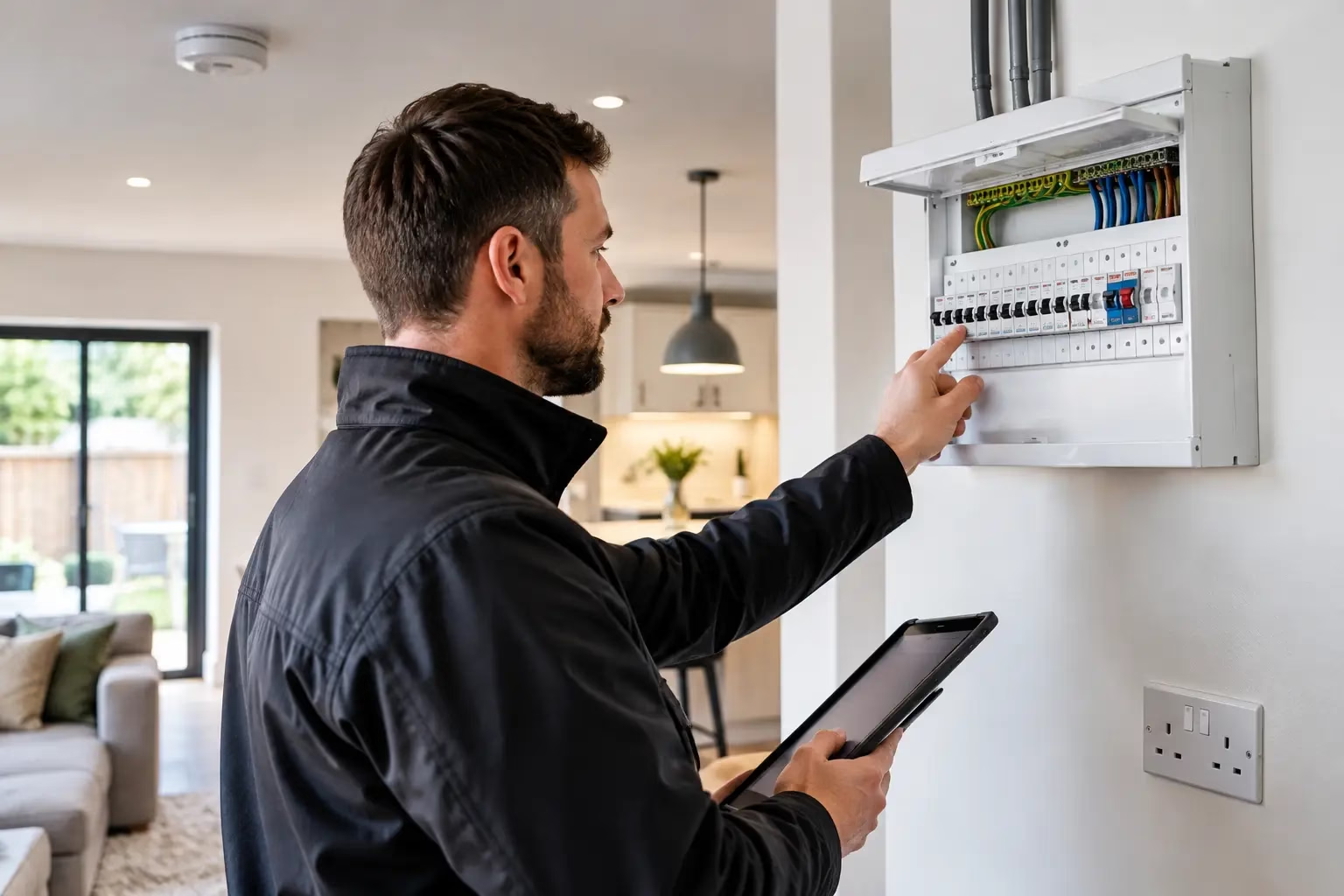
EICRs remain central to electrical compliance
For most privately rented homes in England, an Electrical Installation Condition Report, commonly called an EICR, is required at least every five years. A report may be needed sooner if the previous inspection recommends an earlier date, the installation has suffered damage, or significant electrical work has taken place.
In Wales, regular electrical inspection and testing is also a key part of meeting the fitness for human habitation requirements. The precise paperwork and timescales for providing information can differ, so landlords with properties on both sides of the border should not assume that one process covers every tenancy.
An EICR looks at the fixed electrical installation. This includes the consumer unit, circuits, sockets, switches, light fittings, earthing and bonding. It is not simply a visual walk-round. Testing helps identify issues that may not be obvious day to day, such as inadequate earthing, deteriorated cables, overloaded circuits or faults within the consumer unit.
The report will normally record observations using codes. A C1 issue means there is immediate danger. A C2 issue is potentially dangerous and needs urgent attention. FI means further investigation is required. These observations should never be filed away for later. In England, remedial work or further investigation must generally be completed within 28 days, or sooner if the report specifies a shorter period, with written confirmation retained and supplied as required.
A satisfactory EICR does not mean an installation will never develop a fault. It confirms the condition of the installation at the time of inspection. If a tenant later reports tripping circuits, a burning smell, a loose socket or electric shocks, it needs a separate, prompt response.
Do not confuse an EICR with PAT testing
Portable appliance testing concerns movable appliances supplied by a landlord, such as a microwave, kettle or washing machine. An EICR concerns the fixed installation in the property. They serve different purposes.
There is no general legal requirement to PAT test every appliance in every rented home, but landlords still have a duty to provide appliances that are safe. A sensible maintenance programme may include visual checks, testing where appropriate and removing damaged items from use. Keep clear records of what was checked and when.
Repairs are part of compliance, not an afterthought
A current certificate is valuable, but it is only one part of keeping a property safe. The day-to-day condition of the electrical system matters just as much. Tenants need to know how to report a problem, and landlords need a reliable route for getting it assessed.
Warning signs should be treated seriously. Repeatedly tripping circuits, scorch marks, a cracked socket face, flickering lights, buzzing from a consumer unit or a burning smell can all point to a fault that requires professional attention. Telling a tenant to reset a tripped breaker repeatedly is not a repair.
The right response depends on the fault. Sometimes the solution is a straightforward replacement accessory or a repair to a damaged circuit. In older properties, recurring problems may show that the wiring or consumer unit needs more substantial work. A consumer unit upgrade is not automatically required after every EICR, but older fuse boards, missing protective devices or an unsafe installation may make it the correct recommendation.
Where urgent danger is suspected, the affected circuit may need to be isolated until it is repaired. This can be inconvenient, but tenant safety comes first. Clear communication helps here: explain what has been found, what is safe to use, what must stay off, and when the repair will be completed.
Keep records that stand up to questions
Good compliance is easier to manage when information is organised before you need it. Keep the latest EICR, any previous reports, invoices for remedial work, certificates for new electrical work and written confirmation that recommended repairs have been completed.
In England, landlords must provide a copy of the electrical safety report to existing tenants within 28 days of the inspection, to new tenants before they occupy the property, and to prospective tenants within 28 days of a written request. Local authorities can also request the report, with a much shorter response time. Keeping a digital copy alongside your tenancy records avoids last-minute searching.
It is also worth recording tenant-reported faults, when an electrician attended and what action was taken. This is not bureaucracy for its own sake. It shows that you responded responsibly and helps identify repeat issues in the property.
Check the wider safety picture
Electrical safety sits alongside other landlord duties. Smoke and carbon monoxide alarms, gas safety where relevant, fire safety measures and property condition all need regular attention. Requirements vary between England and Wales, and shared houses can have additional fire safety and licensing obligations.
For electrical work, choose a competent, insured electrician who works to current BS 7671 requirements. Ask for clear findings rather than vague recommendations. You should understand whether a defect is dangerous now, needs planned remedial work, or is an improvement that may be worthwhile but is not a compliance failure.
This distinction matters when budgeting. Replacing a worn socket identified as unsafe cannot wait. Upgrading decorative lighting, adding extra sockets or installing smart controls may be useful improvements, but they are separate decisions unless a safety issue makes the work necessary.
A practical approach for landlords
Review each property before its EICR expiry date rather than at the last minute. Check that tenants have a simple way to report faults, and make sure you can access the latest reports and repair records quickly. If you are purchasing a rental property or taking over management of one, arrange an assessment early rather than relying on paperwork that may be incomplete or out of date.
For landlords managing homes around Chester, a local electrician can also help when access, tenant communication and a quick turnaround matter. Gerrard’s Electrical Solutions provides EICRs, remedial repairs, consumer unit work and fault finding, with clear advice on what needs attention and why.
The most useful compliance habit is not waiting for a deadline. Keep the installation inspected, act on genuine defects quickly and leave a clear paper trail. That gives tenants a safer home and gives you confidence that, when questions are asked, you have done the right thing.