

- September 28, 2026
- By
- Blog
A partial outage is unsettling because some parts of the property still appear normal. You may have working lights upstairs but no sockets in the kitchen, or power in one room while the rest of the house is off. Knowing how to handle a partial power outage calmly can protect your household, prevent further damage and help an electrician find the fault faster.
The key is not to treat it as an inconvenience to work around. A circuit that has tripped may be responding exactly as it should, but repeated tripping, burning smells or flickering power can point to a fault that needs urgent attention.
Start with the safety checks
First, check for immediate warning signs. If you can smell burning, see smoke, notice scorching around a socket or consumer unit, hear buzzing, or feel unusual heat from electrical equipment, turn off the electricity at the main switch only if it is safe to do so. Keep clear of damaged wiring and do not touch a socket, switch or appliance that appears burnt or wet.
If there is a fire risk, leave the property and call 999. If an overhead cable has fallen or there is damage to external electricity equipment, stay well away and report it to the electricity network operator. For a wider supply fault, you can call 105 to be directed to the correct network operator.
Where there are no obvious danger signs, unplug sensitive electrical items such as computers, televisions and chargers on the affected circuit. This reduces the chance of damage if the power returns unexpectedly or the circuit is reset after a fault has been resolved.
Check whether the problem is inside or outside
Before investigating your consumer unit, look outside your own property. Are neighbouring homes, shared hallways or street lights affected? If they are, the issue may be a local network outage rather than your installation. Check your supplier or network operator for updates, but do not assume this is the answer simply because one area of the house has lost power.
A fault that affects only your home is often caused by a tripped circuit breaker or RCD at the consumer unit. Modern consumer units divide the installation into separate circuits, commonly covering sockets, lighting, kitchen appliances, showers or outbuildings. That is why a fault in one area does not always switch off the whole property.
In older homes, circuits may be less clearly separated. A partial outage could also stem from ageing wiring, a loose connection, a damaged cable, water ingress or an overloaded circuit. These faults require proper testing rather than guesswork.
Check the consumer unit carefully
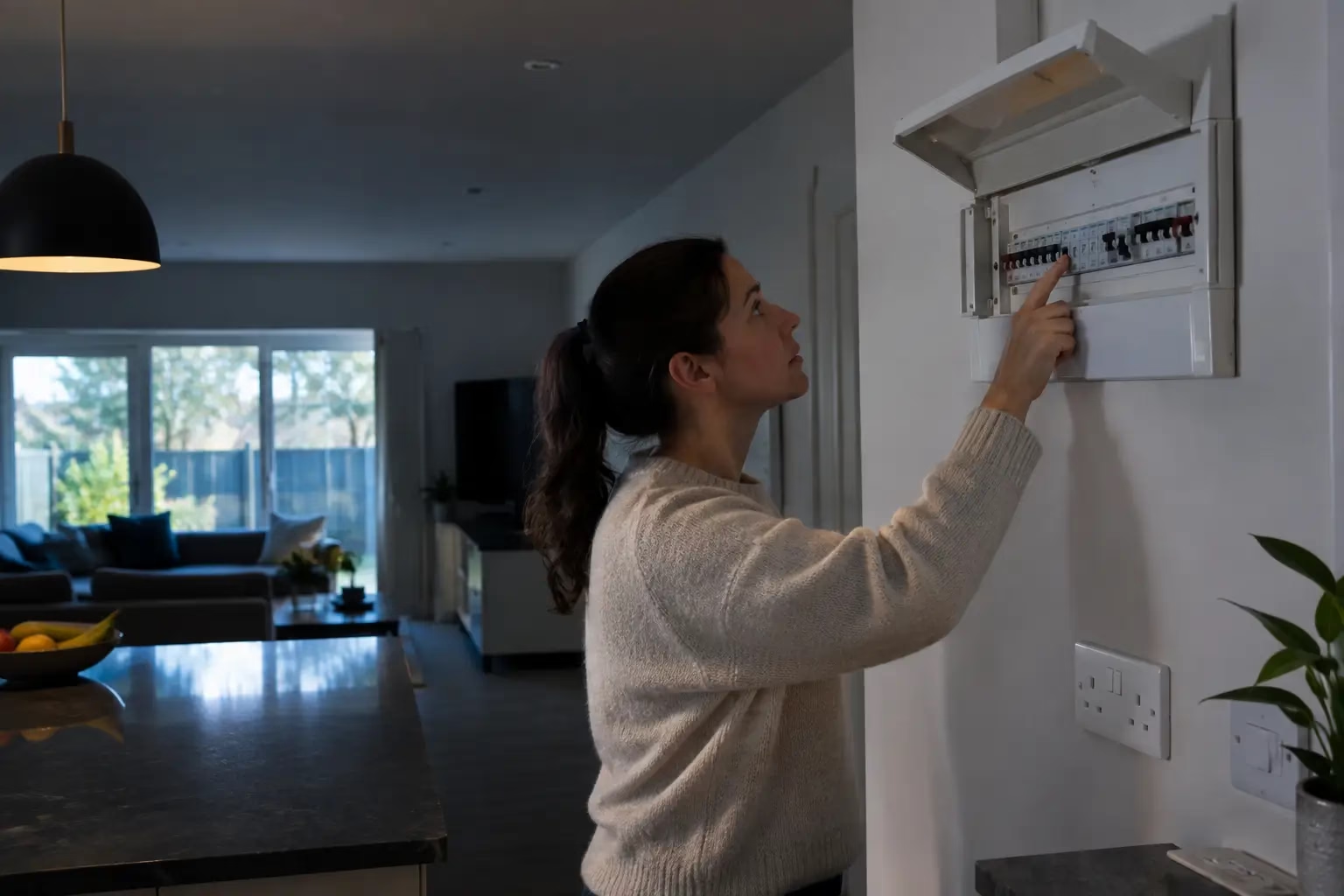
Your consumer unit may be in a hallway, cupboard, garage or utility room. Open the cover only as intended, without removing any fixed panels. Look for a switch sitting down or in a different position from the others. This may be an individual circuit breaker, or the RCD that protects several circuits.
If you know which circuit has tripped and there are no danger signs, switch off or unplug appliances connected to that circuit. Then try resetting the breaker once by moving it fully to the off position before switching it back on.
If it stays on, reconnect appliances one at a time. The appliance that causes the circuit to trip again may be faulty. Leave it unplugged and arrange for it to be checked or replaced. Do not continue using an appliance with a damaged cable, loose plug, burning smell or visible signs of overheating.
If the breaker trips immediately with everything unplugged, do not keep resetting it. That usually suggests a fixed-wiring fault or an issue with something still connected permanently, such as a cooker, boiler, lighting circuit, shower, extractor fan or outdoor supply. Repeatedly forcing a breaker back on can make a developing fault more dangerous.
Do not remove covers or attempt repairs
Consumer units contain live parts, even when certain circuits are switched off. Never remove the front cover, replace fuses with unsuitable items, join damaged cables or investigate a fault by taking sockets and switches apart. Electrical testing needs the correct equipment and the experience to interpret the results safely.
Warning signs that mean you need an electrician now
Some partial power outages can wait for a booked visit, particularly where a single faulty appliance has been identified and safely unplugged. Others should be treated as an emergency. Call a qualified electrician promptly if you notice any of the following:
- A circuit trips repeatedly or will not reset.
- Sockets, switches, plugs or the consumer unit feel hot, smell burnt or show discolouration.
- Lights flicker, become unusually bright or dim, or power cuts in and out.
- There has been water damage, flooding or a leak near electrical equipment.
- You have lost power to essential equipment, including heating controls, a fridge containing medication, security systems or a business-critical circuit.
- The fault follows drilling, DIY work, pest damage or an impact to a cable.
Lights that brighten and dim unexpectedly deserve particular caution. They can indicate a loose connection or supply issue, and the risk may extend beyond the circuit that appears affected. Switch off the main switch if it is safe and seek urgent professional help.
Common causes of a partial outage
A partial outage is a symptom, not a diagnosis. An electrician will test the installation to identify the actual cause, which may be straightforward or may need more detailed fault finding.
Overloaded circuits are common in kitchens, home offices and older properties with limited socket provision. Extension leads and multi-way adaptors can hide the fact that too many high-load appliances are operating from one circuit. Kettles, heaters, tumble dryers, air fryers and portable heaters all place significant demand on an installation.
A faulty appliance is another regular cause. Washing machines, dishwashers, outdoor equipment and older white goods can develop insulation faults that trip an RCD. Sometimes the fault only appears when the appliance heats up or gets wet, which is why the circuit may seem fine at first.
Fixed wiring faults can be more complex. A damaged cable, loose terminal, failed accessory, deteriorated junction or moisture in an outdoor fitting may affect only part of the property. Homes with older consumer units or wiring may also lack the protection expected in a modern installation, making an upgrade worth discussing once the immediate problem has been made safe.
What landlords should do
For landlords, a partial power outage should be handled promptly and recorded properly. Tenants should never be asked to remove consumer-unit covers or carry out electrical repairs themselves. Give clear instructions: unplug affected appliances if safe, avoid the damaged area, report warning signs immediately and do not repeatedly reset a tripping circuit.
A current Electrical Installation Condition Report helps identify deterioration and defects before they cause disruption. It does not prevent every appliance fault, but it provides a clear picture of the condition of the fixed installation and any remedial work required to keep the property safe and compliant.
What to tell the electrician
A few useful details can save time when arranging an emergency call-out. Explain which rooms or items have lost power, whether anything was plugged in when the outage started, whether a breaker or RCD has tripped, and whether there are smells, heat, water leaks or visible damage.
It also helps to mention recent work. New shelving, picture hanging, plumbing repairs, garden work and DIY can all disturb concealed cables or introduce moisture where it should not be. Take a clear photo of the consumer unit switch positions if you can do so safely, but do not delay calling for help to investigate further.
A qualified electrician can test the circuit, isolate the fault, carry out safe repairs and explain the options in plain English. At Gerrard’s Electrical Solutions, emergency faults are approached with the same priority as planned work: identify the cause, make the installation safe and leave you knowing what has been done.
A partial outage may turn out to be a simple appliance issue, but it is never worth gambling on the cause. Switch off what you can safely, avoid repeated resets and get professional help when the fault is unclear. A quick, careful response is the best way to restore power without compromising the safety of your home or tenants.