

- September 26, 2026
- By
- Blog
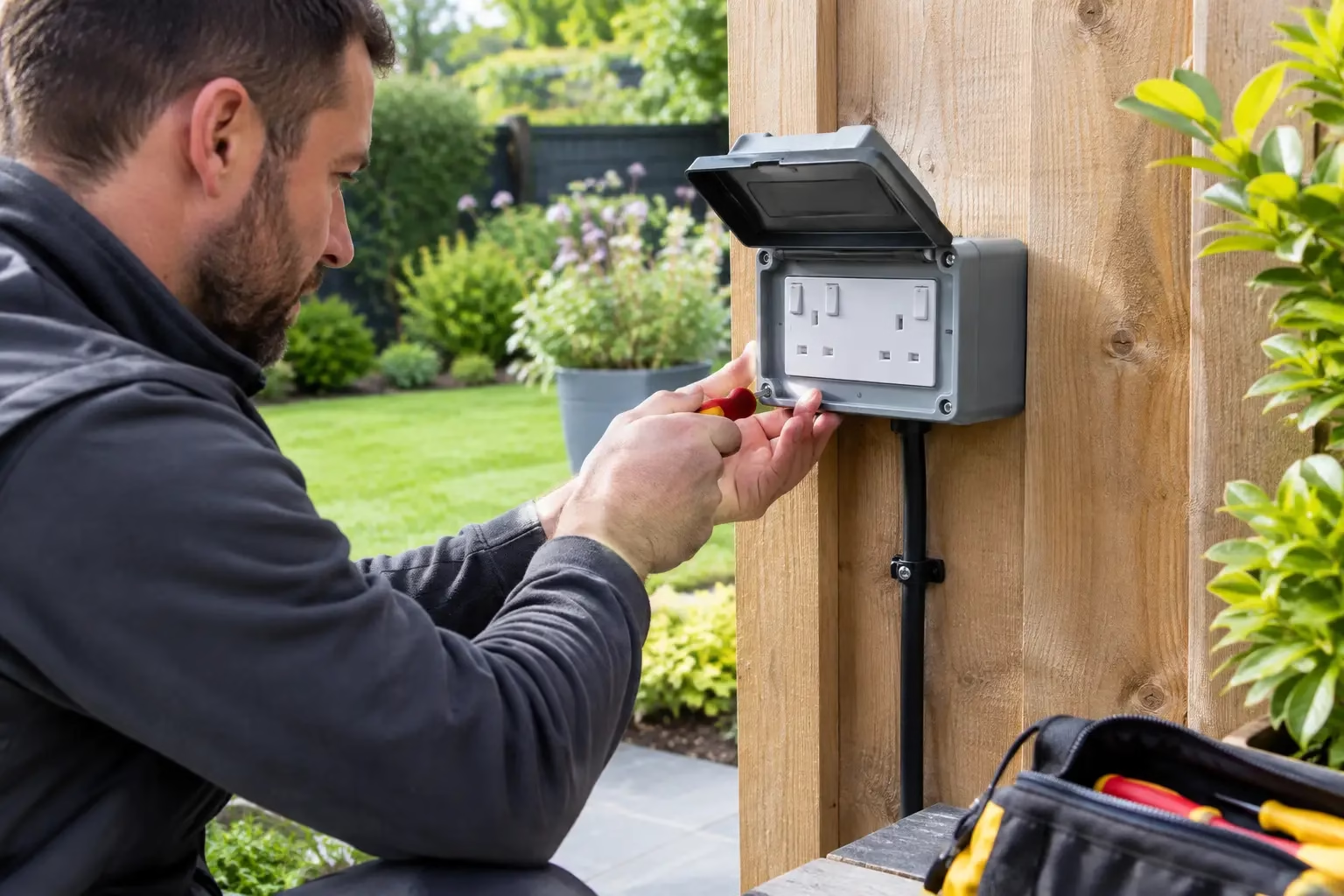
An extension lead through a partly open window may get power to the lawnmower, but it is not a safe long-term answer. A professionally planned Chester outdoor socket installation gives you properly protected power where you need it – whether that is for garden tools, decorative lighting, a pond pump, an electric vehicle charger supply point or a workshop in the shed.
Outdoor electrics have to deal with rain, condensation, mud, physical knocks and frequent use. The right installation is not simply a standard socket fixed to an outside wall. It needs to suit the equipment being used, the route of the cable and the condition of your existing electrical installation.
When Chester outdoor socket installation makes sense
A weatherproof socket can make everyday jobs much easier. Instead of running leads from inside the house, you can safely connect a mower, pressure washer or hedge trimmer close to where it is needed. It also provides a neater solution for seasonal lights, garden offices and maintained equipment such as water features.
For some properties, one socket by the patio is enough. Others need a supply to a detached garage, shed or garden room. That may involve a more substantial cable run, suitable protection against accidental damage and a small consumer unit in the outbuilding. The correct approach depends on distance, the expected electrical load and whether the building has its own lighting and sockets.
Landlords should take particular care where tenants use shared outdoor areas or where a socket is likely to be exposed to heavy use. A poorly fitted accessory or damaged cable can quickly become a safety issue. Providing a compliant, well-positioned outlet is safer than leaving occupants to rely on unsuitable extension leads.
What a safe outdoor socket installation involves
The visible socket is only one part of the job. Before fitting anything, a competent electrician should assess the existing consumer unit and circuit. This confirms there is enough capacity for the proposed use and that the required protective devices are in place.
Outdoor sockets normally need additional protection against electric shock, including 30 mA RCD protection. In plain English, an RCD is designed to disconnect the supply quickly if it detects a fault that could be dangerous. It is a valuable safeguard, but it does not make damaged tools, split cables or unsafe use acceptable.
The enclosure also matters. Outdoor accessories need an appropriate IP rating, which indicates how well they resist the ingress of water and solid objects. A socket beneath a covered canopy faces different conditions from one on an exposed garden wall. Location, direction of driving rain and the likelihood of pressure washing nearby all need to be considered rather than relying on a one-size-fits-all product.
Cabling must be selected and installed to suit its route. Cable clipped across a wall, buried through a garden or run to an outbuilding each needs different protection. Where cable could be struck by a spade, chewed by pests or damaged by garden equipment, the installation needs to account for that risk. Tidiness is not just cosmetic here – secure, well-routed cable helps prevent future faults.
Once the work is complete, testing is essential. This verifies that the protective measures operate correctly and that the new work meets the relevant requirements of BS 7671, the IET Wiring Regulations. You should receive the appropriate electrical certification for the work carried out and retain it with your property records.
Choosing the right position for an outdoor socket
Convenience matters, but the closest wall is not always the best wall. Think about where you genuinely use power throughout the year. A socket installed near the back door may be ideal for a lawnmower, while a patio socket could be better for outdoor lighting or a hot tub controller. If the aim is to power a shed, a dedicated supply is often more practical than placing a socket halfway down the garden.
Height is another consideration. The socket should be accessible without being vulnerable to standing water, routine impacts or interference from children. It should also be positioned so plugs and leads do not create a trip hazard across paths, doorways or seating areas.
It is worth planning ahead. If you are having garden landscaping, a new patio or fencing installed, arranging the electrical work at the same time can avoid lifting finished surfaces later. Equally, if you expect to add a garden office, CCTV, electric gates or exterior lighting, mention it before the circuit is designed. Allowing for likely future demand can be more cost-effective than repeatedly altering the installation.
One socket or a dedicated circuit?
A single outdoor socket can sometimes be safely supplied from a suitable existing circuit, following inspection and testing. However, high-demand or permanent equipment may justify a dedicated circuit from the consumer unit. This reduces the chance of nuisance tripping and avoids overloading a circuit that already serves busy rooms inside the property.
The answer is especially important for hot tubs, garden rooms, workshops and electric vehicle charging. These are not ordinary plug-in garden loads, and they should not be treated as such. An electrician can calculate the likely demand and recommend a suitable arrangement rather than making assumptions based on what happens to be available nearby.
Why a DIY outdoor socket can create problems
It is tempting to view an external socket as a small weekend job. The problem is that faults outdoors may remain hidden until moisture gets into an enclosure, a cable is damaged or a protective device fails to operate as expected. By then, the risk can include electric shock, fire damage or loss of power to part of the home.
Common problems include using indoor-rated accessories outside, fitting sockets without suitable RCD protection, making poor connections and routing cable where it can easily be damaged. Extension reels left out in wet weather are another frequent issue. Even a weather-resistant socket cannot protect an unsuitable plug, lead or appliance.
Electrical work should be completed by someone who can properly inspect, test and certify it. Regulations and Building Regulations requirements can vary depending on the nature of the work and the property, so it is sensible to seek clear advice before the job begins. A qualified electrician will explain what is needed in straightforward terms, not bury you in technical language.
Keeping outdoor sockets safe after installation
A well-installed socket still needs sensible use. Close the cover properly after use, check leads before connecting them and avoid leaving plug-in equipment outdoors when it is not designed for the weather. If an RCD trips repeatedly, do not keep resetting it and hope for the best. It may be warning you about a faulty appliance, water ingress or a developing issue with the circuit.
Take extra care with pressure washers, pond equipment and temporary festive lighting, as these are often used in wet conditions. Use equipment intended for outdoor use and keep joints, connectors and extension reels away from puddles and damp ground. If the socket enclosure is cracked, loose, discoloured or filling with condensation, arrange an inspection.
For landlords, outdoor electrical accessories should form part of a wider approach to property safety. Keeping certification, responding quickly to reports of damage and arranging periodic inspection where appropriate protects tenants and helps prevent avoidable disruption.
A straightforward way to plan the work
The best installations begin with a short conversation about what you want to power, where you want to use it and whether you have plans for the garden or outbuilding later. From there, the electrician can inspect the existing installation, explain the options, provide a clear price and schedule the work with minimum disruption.
Gerrard’s Electrical Solutions carries out outdoor socket work across Chester and the surrounding area with clean workmanship, clear communication and testing to current 18th Edition requirements. If you are unsure whether an existing circuit is suitable, it is always better to check first than risk an unsafe shortcut.
A properly installed outdoor socket should make your garden or outbuilding more useful without becoming something you have to worry about. Choose the location carefully, use it sensibly and have the work tested properly from the start.