

- November 19, 2026
- By
- Blog
A light that flickers once may be a loose bulb. A light that flickers alongside buzzing sockets, frequent tripping or a burning smell is a reason to act. Knowing when should wiring be inspected can prevent a minor fault becoming a loss of power, damage to your property or, in the worst case, an electrical fire.
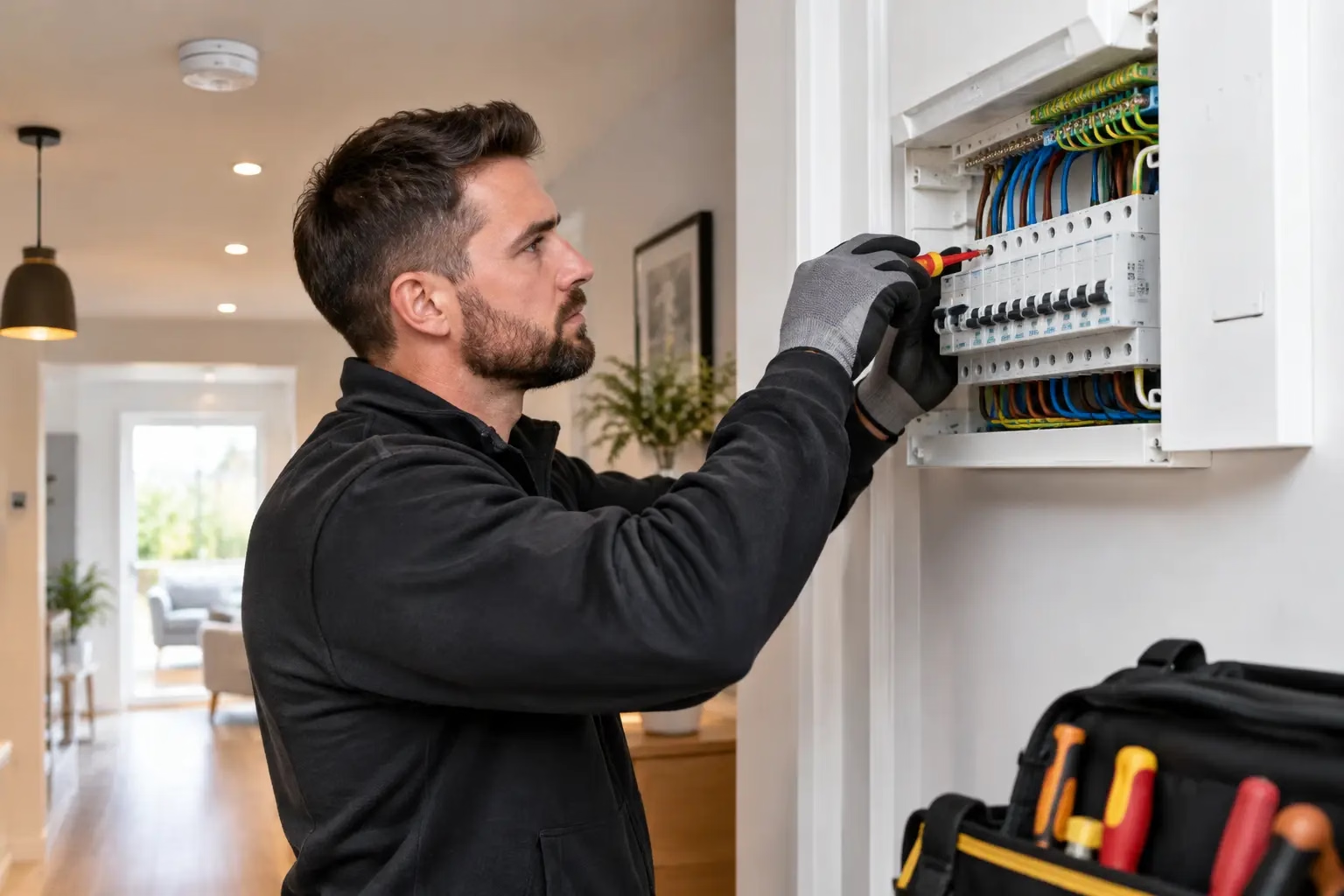
Most electrical wiring is hidden behind walls, under floors and above ceilings, so problems are not always obvious. A professional inspection gives you a clear picture of the condition of the installation, explains any risks in plain English and identifies what needs attention now versus what can be planned for later.
When should wiring be inspected?
There is no single answer for every property. The right interval depends on the age and use of the installation, whether work has been carried out, and whether the property is owner-occupied, rented or used for business.
For an owner-occupied home, a periodic Electrical Installation Condition Report, commonly called an EICR, is generally recommended at least every 10 years. That does not mean you should wait a decade if something changes. Older homes, properties that have had several alterations, and homes with an outdated fuse board may need checking sooner.
Landlords must take a more structured approach. In England and Wales, rented homes need a valid electrical safety inspection at least every five years, or sooner if the previous report recommends it. The report should also be kept under review when there is a change in condition, damage or concerns raised by tenants. A five-year interval is not permission to ignore warning signs between inspections.
Commercial premises often require more frequent testing because the electrical system may be under greater daily demand. The suitable interval depends on the type of business, the environment and how the installation is used. A busy office, workshop, shop or communal area should be assessed on its own risks rather than treated like a domestic property.
Arrange an inspection after a major change
Electrical installations should be checked after significant building work or changes to how a space is used. A kitchen extension, loft conversion, garage conversion or new garden office can all place extra demand on an existing supply. Even where new circuits have been installed and certified, an electrician may need to consider whether the wider installation and consumer unit remain suitable.
It is also sensible to arrange an inspection before buying an older property, especially where the electrics appear original or the consumer unit is dated. A survey may flag visible concerns, but it is not a substitute for an electrical inspection. A proper EICR tests circuits and protective devices that cannot be assessed simply by looking around the house.
If you are planning a new electric shower, induction hob, EV charger, air conditioning or an electric heating upgrade, have the existing wiring assessed first. The issue is not only whether a new item can be connected. The cable sizes, circuit protection, earthing and capacity of the installation must all be appropriate for the added load.
Warning signs that need prompt attention
Some faults cannot wait for the next routine inspection. Switch off the affected circuit if it is safe to do so, avoid using damaged equipment and call a competent electrician. Do not repeatedly reset a breaker in the hope it will stay on.
Common signs that warrant an urgent check include:
- A burning smell, scorch marks, heat from a socket or switch, or crackling and buzzing sounds
- Circuits that trip repeatedly, particularly when normal appliances are in use
- Loose, cracked, damaged or discoloured sockets, switches and exposed cables
- Lights that dim or flicker when other appliances start, or regular electric shocks and tingles from fittings
- Water damage near sockets, wiring, light fittings or the consumer unit
A tripping circuit is doing the job it was designed to do: cutting power when it detects a possible fault or overload. The cause might be a faulty appliance, a damaged cable, moisture ingress or a problem within the fixed wiring. It takes testing to find the cause safely, so guessing or bypassing the protection is never the answer.
Older wiring deserves closer attention
Age alone does not prove wiring is unsafe, but it does increase the need for a professional assessment. Many homes around Chester and the surrounding area have been extended, modernised or adapted over decades. It is not unusual to find newer sockets connected to older wiring, additions made by different installers, or circuits that were suitable for how the home was used years ago but are now under far more pressure.
Signs of an older installation can include a fuse board with rewireable fuses, a lack of modern RCD protection, old-style switches and sockets, fabric-covered cable, or limited socket outlets leading to a heavy reliance on extension leads. None of these automatically means a full rewire is required. An inspection establishes the actual condition and allows an electrician to give proportionate advice.
Sometimes the sensible solution is targeted remedial work or a consumer unit upgrade. In other cases, particularly where cables are deteriorating or the installation has been heavily altered, a partial or full rewire may offer better long-term safety and reliability. The decision should be based on test results, not pressure or assumptions.
What an EICR checks
An EICR is more than a visual once-over. A competent electrician inspects accessible parts of the installation and carries out testing to assess the safety of circuits, earthing, bonding, protective devices and electrical accessories. They will look for damage, signs of overheating, poor connections, unsuitable alterations and anything that does not meet the safety requirements expected under current BS 7671 standards.
Some testing may require parts of the installation to be temporarily isolated. For a typical home this can usually be planned to keep disruption manageable, but it is worth discussing essential equipment such as fridges, freezers, alarms, broadband systems and medical devices before the appointment.
Following the inspection, you receive a report that records the results and any observations. Codes on the report help set priorities. A C1 observation indicates danger present and requires immediate action. C2 means potentially dangerous and calls for urgent remedial work. FI means further investigation is needed. C3 observations are improvements recommended rather than immediate safety failures.
The report may be marked satisfactory or unsatisfactory. An unsatisfactory result does not always mean the whole property needs rewiring. It means one or more issues need resolving before the installation can be considered satisfactory. Clear explanations matter here: you should understand what has been found, why it matters and what the likely options are.
Inspections are different from electrical certificates
This distinction can be confusing. When new electrical work is completed, such as a new circuit or consumer unit, you should receive certification for that work. That certificate confirms the installation work was designed, installed and tested appropriately at the time.
An EICR examines the condition of the overall existing installation at a later date. It can uncover faults that have developed through wear, accidental damage, damp, alterations or changing demand. Both documents are useful, but one does not permanently replace the other.
Portable appliance testing is different again. PAT testing concerns movable appliances, such as kettles, extension leads and office equipment. It does not prove that the fixed wiring in a property is safe.
Do not wait for a fault to become an emergency
Routine electrical inspections are about confidence as much as compliance. For homeowners, they can identify ageing components before they fail and help plan improvements around a renovation or budget. For landlords, they provide the evidence needed to meet electrical safety duties and protect tenants. For businesses, they reduce the chance of avoidable disruption to day-to-day operations.
If your home has not been checked for many years, you have noticed changes in how your electrics behave, or you are unsure when the last report was completed, book an inspection rather than taking a chance. Gerrard’s Electrical Solutions can assess the installation, work to current 18th Edition requirements and explain the findings clearly, with no unnecessary jargon.
A quiet, reliable electrical system is easy to take for granted. Keep it that way by acting on warning signs early and arranging a professional inspection before small concerns have the opportunity to become serious ones.