

- October 12, 2026
- By
- Blog
A toothbrush charger balanced on a bedroom windowsill is not ideal, but an ordinary extension lead trailing into the bathroom is far worse. A properly planned bathroom shaver socket fitting gives you a safe, convenient place to charge or use suitable low-power grooming appliances without compromising electrical safety in one of the home’s highest-risk rooms.
Bathrooms combine water, damp air, bare feet and metal pipework. That is why the rules for electrical accessories here are much stricter than in a bedroom, hallway or kitchen. A shaver socket is not simply a normal plug socket with a different faceplate. It is a specialised fitting that must be selected, positioned, installed and tested correctly.
What is a bathroom shaver socket?
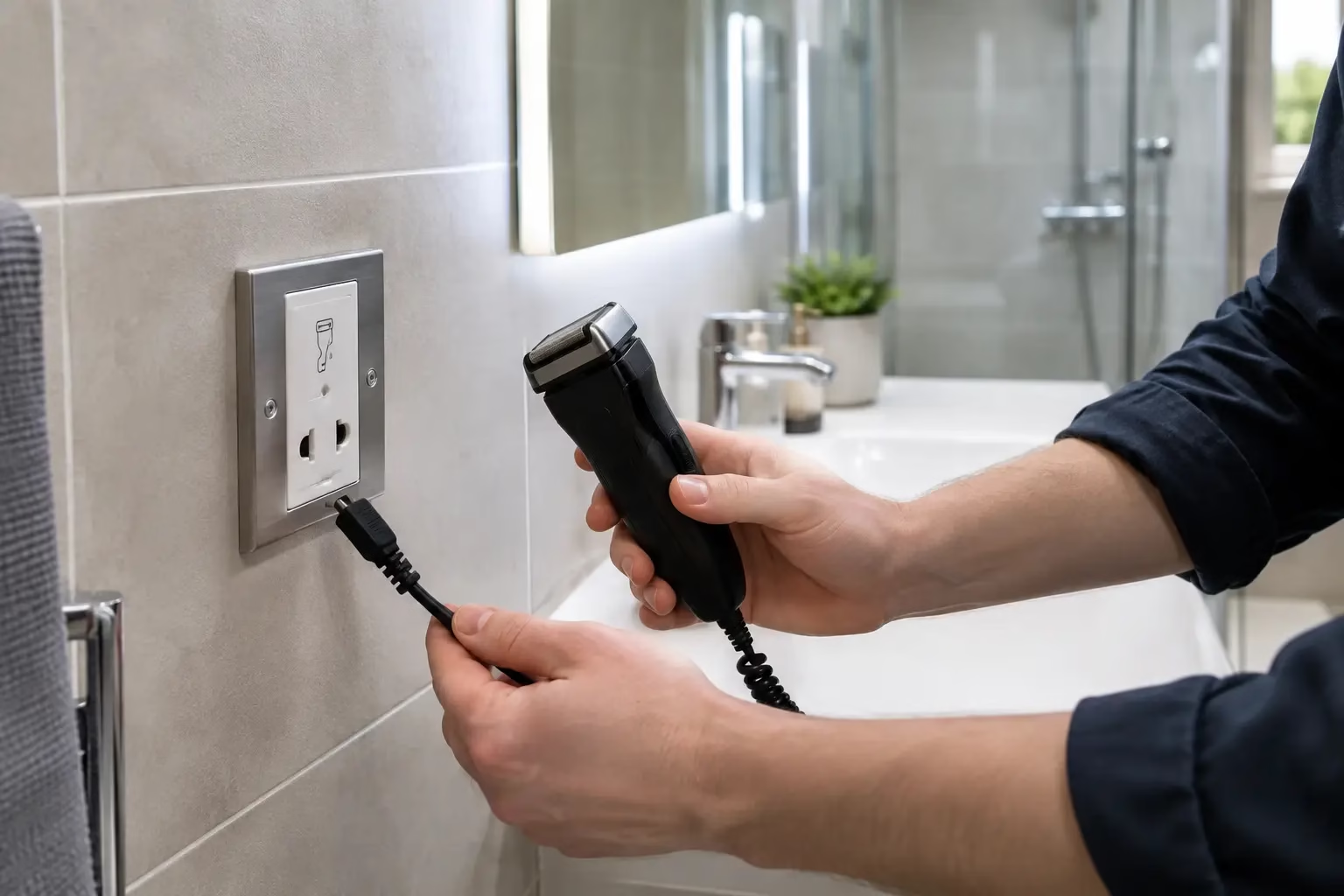
A bathroom shaver socket is normally a dedicated outlet with an isolating transformer built in. It is designed for low-power appliances such as electric shavers and toothbrush chargers, typically with either a UK two-pin shaver connection or a continental two-pin option.
The transformer provides electrical separation from the main supply, reducing the risk of a dangerous electric shock should an appliance fault occur. That extra protection is the reason these units can be used where a conventional 13-amp socket outlet cannot.
The key limitation is power. Shaver sockets are not intended for hairdryers, straighteners, electric heaters or other higher-demand appliances. Trying to run unsuitable equipment from one can overload or damage the unit, and may create a fire risk. If you need power for a particular bathroom appliance, an electrician should advise on the safe and compliant options before any work begins.
Why a standard socket is not suitable in a bathroom
A standard socket outlet brings mains electricity close to water and people who may be wet or poorly earthed. The consequences of a fault can be serious. For this reason, ordinary sockets are generally prohibited within bathrooms and shower rooms, except where a very specific installation arrangement complies with the regulations.
Electrical work in bathrooms is governed by BS 7671, commonly called the IET Wiring Regulations. The current 18th Edition sets out requirements for bathroom zones, circuit protection, equipment suitability and isolation. These zones are based on how close an accessory is to a bath, shower or wash basin and how likely it is to be exposed to water.
A shaver socket may be suitable, but its position still matters. It must be located outside the restricted zones and away from splashing water. An electrician will consider the layout of the room rather than relying on a rough guess from a photograph or measuring from the basin alone. A compact en-suite, walk-in shower, sloping ceiling or fitted bathroom furniture can all affect the best position.
Bathroom shaver socket fitting: what the job involves
A safe installation begins with checking the existing electrical system. Before fitting a new outlet, a competent electrician needs to establish how the circuit is supplied, whether it has appropriate RCD protection and whether there is a sound route for the cable.
RCD protection is designed to disconnect the supply quickly when it detects an imbalance that could indicate current flowing somewhere unsafe. It is a vital layer of protection in a bathroom, but it does not make poor positioning or unsuitable equipment acceptable.
The electrician will then choose a suitable location, often near a mirror but clear of water sources. Convenience matters, but safety takes priority. The cable may be run behind tiles, through a stud wall, in ceiling voids or via another suitable route, depending on the construction of the property and the condition of the existing installation.
Once fitted, the work should be tested. This is not an optional finishing touch. Testing confirms that connections are secure, protective measures are working and the new accessory operates as intended. You should receive clear information about the work completed and any recommendations identified during the visit.
Can you fit a shaver socket yourself?
Bathroom electrical work is not a sensible place for trial and error. Even a neat-looking installation can be unsafe if the cable has been taken from the wrong circuit, protective measures are missing, connections are loose or the fitting sits in an unsuitable location.
There is also more to consider than the socket itself. Drilling into a bathroom wall can strike hidden cables or pipes. Cutting into tiled finishes can cause expensive damage. Older homes may have inadequate earthing, no RCD protection, ageing consumer units or wiring that is no longer in good condition.
For most homeowners, using a qualified electrician is the straightforward option. You get the right product, a compliant position, proper testing and someone accountable for the completed work. It also avoids the uncertainty that can become a problem when selling a property, making an insurance claim or arranging an Electrical Installation Condition Report.
Choosing the right position near a mirror
Most people want a shaver socket beside or beneath the bathroom mirror. That can work well, provided there is sufficient clearance from the basin, shower and bath. The outlet should be easy to reach without leaning over water, but not so close that it is likely to be splashed.
Think about how the room is actually used. A family bathroom may have children brushing their teeth around the basin. A shower room may create more moisture around the mirror than expected. In a rental property, fittings need to cope with regular use by tenants who may not know the limitations of a shaver outlet.
An electrician may recommend moving the socket slightly away from the original preferred spot, fitting it at a different height or choosing a mirror arrangement that leaves safe space around the outlet. These small decisions are usually far easier to make before tiling or decorating is complete.
During a bathroom refurbishment
The best time to plan a shaver socket is before the walls are finished. Cable routes can be installed neatly, the position can be agreed alongside the vanity unit and mirror, and there is less risk of disturbing new tiles later.
If you are refurbishing an older bathroom, it is also worth having the existing circuits checked. A new shaver outlet may highlight wider issues such as an old fuse board, poor earthing or circuits without RCD protection. It does not always mean a full rewire is required, but an honest assessment lets you make an informed decision rather than covering up a problem behind fresh plaster and tiles.
Signs an existing shaver socket needs attention
Do not ignore a shaver socket that feels loose, looks discoloured, crackles, smells hot or works intermittently. Switch off the relevant circuit if it is safe to do so and arrange for an electrician to inspect it. These signs can point to loose terminals, overheating, water ingress or a fault in the accessory.
Older shaver units can also become noisy because the internal transformer hums. A faint hum is common on some models, but a sudden change in noise, heat or performance deserves investigation. Never remove the cover while the circuit is live or attempt to repair an internal transformer yourself.
If the bathroom lights or another circuit trips whenever the shaver socket is used, stop using it. The fault may be within the outlet, the connected appliance or elsewhere on the circuit. Proper fault finding identifies the cause instead of replacing parts at random.
What affects the cost of fitting a shaver socket?
The cost of a bathroom shaver socket fitting depends less on the faceplate and more on the installation behind it. A straightforward addition during a renovation is often simpler than retrofitting an outlet into a fully tiled bathroom with no accessible cable route.
The condition of the consumer unit, the need for RCD protection, wall construction, cable distance and any remedial work all affect the scope. If an existing shaver socket is being replaced like-for-like in a safe position, the work may be relatively quick. If the current outlet is incorrectly located or the wiring is dated, more work may be necessary to put it right.
A clear quotation should explain what is included, whether testing is part of the price and whether any additional remedial work has been identified. That is far more useful than accepting a low headline figure that does not account for the condition of your installation.
A practical upgrade for safer daily routines
For homeowners and landlords, a correctly fitted shaver socket is a small improvement that makes a bathroom more usable without taking shortcuts around safety. It is particularly worthwhile when renovating, replacing a mirror, updating an en-suite or preparing a rental property for new tenants.
Gerrard’s Electrical Solutions can assess the room, explain the practical options in plain English and carry out the installation to BS 7671 requirements. The right fitting, in the right place, with proper testing, means one less thing to worry about every morning.